The Ivy and the Trellis
What a Poisonous Vine Taught Me About Loneliness and the Men Who Thrive Alone
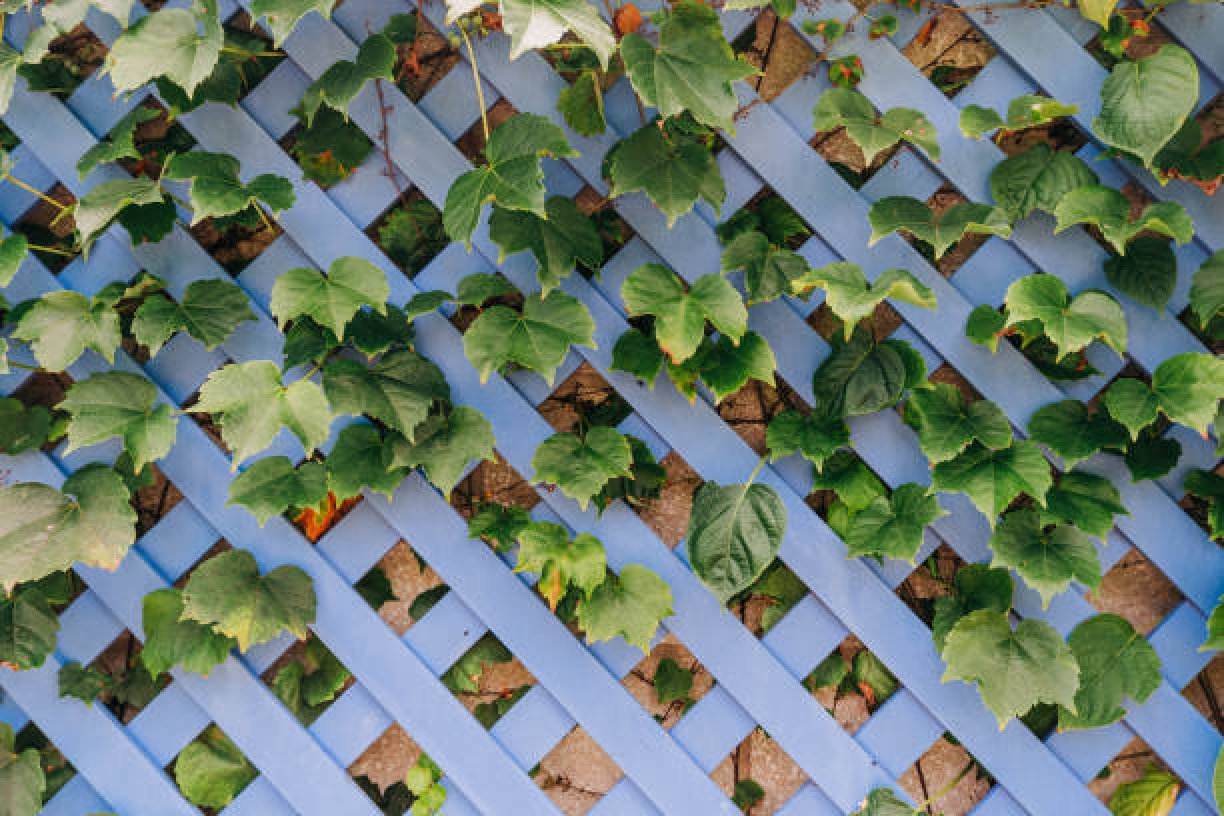
Photo by Melissa Ross on Getty Images
The Texas sun was merciful that morning. Only 88 degrees, a small miracle for late August in Austin, when the heat typically presses down like a heavy hand. I had agreed to a day date with a gentleman who was visiting from out of town. He had reached out with a simple proposition: a walk through nature, a meal, a few hours of shared company. He had been curious about me for a while, he said. He would take any form of engagement I was willing to offer.
I had been upfront with him. I had overextended myself during a workout class, a moment of ego outpacing my body’s limits. Physical therapy had begun a few weeks prior, and my therapist had recommended gentle walks, nothing more. I was not at my best. And I have a rule: my suitors get the best version of me, or they wait. I will not accept a booking if I am operating at a physical deficit. It is not fair to them, and it is not fair to me.
But this gentleman was undeterred. He confirmed that he had been curious about me for some time, and he would happily take a brief walk and a lunch. So we settled on the Lady Bird Johnson Wildflower Center, a place I had been meaning to revisit for months. It was the perfect season for Monarch butterflies, and I am a woman who finds joy in small, natural miracles.
We arrived in the early morning, the light still soft and golden. The wildflower center was a living museum of Texas native plants, each one accompanied by a plaque detailing its scientific name, its life cycle, its care and handling. We wandered slowly, my pace deliberately gentle, his patience unwavering. We passed through the atrium, and there, like something out of a fairytale, were the Monarch butterflies. They fluttered everywhere, their gossamer wings catching the light, some settling on Texas Lantana, others on Azure Blue Sage. It was the kind of scene that makes you believe in magic, even if you have long since stopped believing in fairy tales.
And then I saw it.
At the edge of one of the garden beds, a trellis was covered in Eastern Poison Ivy. There was a sign warning not to touch. I knew better without the sign; the leaves were a dead giveaway. But what struck me was not the danger. It was the color. The foliage was a vibrant, verdant green, lush and thriving in the dry, sandy soil. Austin had been enduring weeks of temperatures exceeding 100 degrees Fahrenheit. I had returned from my summer internship to find that most of my patio plants had not survived the heat wave, despite my careful self-irrigation methods. Yet here was this Eastern Poison Ivy, thriving in conditions that had killed almost everything else.
I stood there for a moment, studying it. Despite its hardiness, despite its ability to survive in harsh conditions, it still needed the trellis. It could not climb toward the sun on its own. It required support, a structure to lean on, a framework to help it reach its full height.
I shared this observation with the gentleman. He listened intently, as he had been listening all morning. He had told me earlier that he was a COO of a Fortune 500 company. He had worked his way through the military, graduated from top business schools, and built a successful life from a disadvantaged background. The parallels were not lost on me.
He was like the Eastern Poison Ivy. Resilient. Hardy. Able to thrive in conditions that would have broken others. He had created a successful life despite unfavorable circumstances, had climbed toward the sun despite the odds.
But unlike the Eastern Poison Ivy, he was not prickly or irritating. Quite the opposite. He was patient with me about my physical limitation. He was accommodating, gentle, kind. He did not push me to walk faster or further. He simply walked beside me, at my pace, and made me feel that my company was enough, even in my diminished state.
I told him this. I told him that despite his ability to thrive in harsh conditions, he, like the ivy, still needed a trellis. He needed support. He needed company. He needed someone to lean on, to climb with, to reach toward the light alongside.
For him, I was the trellis. I provided company and support, easing the loneliness that often comes with self-actualization. The higher you climb, the fewer people you find beside you. The more successful you become, the more isolated you can feel. He had built an impressive life, but he had built it alone. And he was tired.
He smiled when I shared this observation. He said he was not surprised. He had read my writing. He could tell that I live a life of metaphors, similes, and analogies. I agreed. It is how I process the world around me and the people I encounter. It is how I make sense of the beautiful, complicated, often contradictory nature of human connection.
After our brief walk, we had lunch at the cafe in the wildflower center. We spent much of the time talking about native plants, about my plans for fall gardening on my balcony, about the Monarch butterflies and their incredible migration. We talked about his work, his travels, his memories of growing up. We talked about nothing and everything. We kept each other company.
I was the trellis. He was the non-poisonous Eastern Poison Ivy. And for a few hours, we both got what we needed.
Today, I am returning from my last New York Fashion Week of the season. I am grateful that I am fully healed, that I have regained my mobility, that I was able to walk a few runway shows confidently. The physical therapy worked. The rest worked. I am back.
But the parallel has not left my mind.
I am returning to New York from September 27th to October 6th, 2026. This time, I will make room to be a trellis for the right suitors. I will make room for the men who have climbed high, who have built impressive lives, who have thrived in conditions that would have broken others… for the men who are tired of climbing alone.
The Monarchs are migrating. The ivy is climbing. And I am here, ready to be the support you have been searching for.