The Art of Rest
On Blanking on "Complex," the Gentleman Who Noticed, and Why Slowing Down Is the Ultimate Rebellion
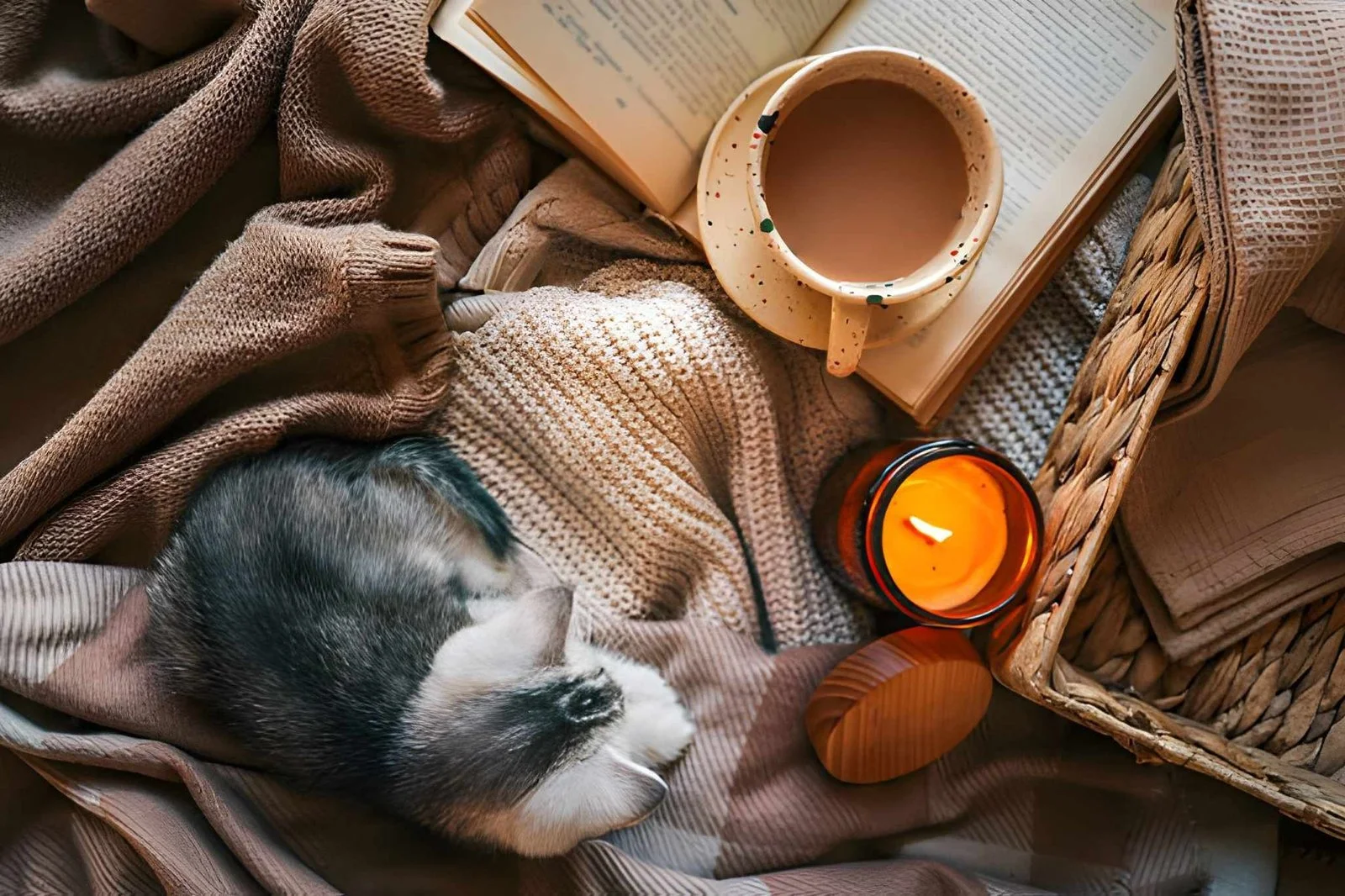
Photo by Bohdan Bevz on iStock
I blanked on the word "complex."
It was a perfectly pleasant evening, the kind that unfolds naturally over good medium-rare steak and better conversation. The gentleman across from me was intelligent, attentive, the sort who asks questions that require more than a rehearsed answer. We were deep in a discussion about something that, in hindsight, probably was quite complex. And then I reached for the word. It was right there, on the tip of my tongue, hovering just out of reach. I paused, waiting for my brain to deliver. It did not.
"Complicated," I finally offered, a stand-in, an understudy for the word I actually wanted.
He laughed, not unkindly, and said, "You're officially ninety years old."
I laughed too, because it was funny, and because he wasn't entirely wrong. The word I had lost was not an unusual one. It wasn't obscure or academic. It was "complex." The irony was not lost on me: there I was, struggling to articulate the very concept of intricacy, while my own life had become a masterclass in it.
Let me paint the picture for you. I am, in no particular order: a companion, a graduate student, a part-time intern, a loyal friend, and a devoted member of my family. I am someone who says yes... to opportunities, to obligations, to the next thing on the list. I am someone who measures her days in productivity, who feels the quiet thrill of crossing items off a to-do list, who has internalized the modern gospel that says our worth is directly proportional to our output.
Productivity has become a kind of currency. We measure ourselves against it, trade in it and quietly believe that stopping it is a form of failure. Subsequently, rest becomes something we must a earn, a reward granted only after enough has been accomplished.
The gentleman across from me saw all of this in a single, lost word. He saw the thread I was hanging by, even as I insisted I was fine.
"You're spread thin," he said, not as a question but as a diagnosis. And he was right.
When our evening ended, he did not simply say goodnight. He opened his phone and ordered me an Uber, watching until I was safely inside. A few days later, a notification appeared on my phone: a gift card to a local spa, for a solo date with silence and steam. And then another: a grocery delivery app gift card, because I had mentioned, weeks earlier, that weekend mornings were often consumed by errands. He remembered. He acted. He gave me the gift of time I didn't have to earn.
I was grateful to him for many reasons that week. For his empathy, for his thoughtfulness, for seeing what I could not. But most of all, I was grateful for the lesson he embodied without ever stating it outright: that rest is not a luxury to be earned, but a necessity to be claimed. That delegation is not failure, but wisdom. That sometimes the most productive thing you can do is nothing at all.
Our minds are not designed for constant output. The brain does some of its most important work in quiet moments, when we allow it to wander and reset. Creativity, memory and emotional clarity often emerge not when we are pushing harder, but when we finally pause.
When we deny ourselves rest, the system eventually pushes back. Sometimes gently with a forgotten word. Sometimes less gently when exhaustion catches up with us.
In the spirit of moderation, I made a decision. Come spring break, I will end my current part-time internship. I will step back, breathe, and allow myself the space I have been denying. I will resume in the summer, refreshed and restored. It is a small rebellion, but a meaningful one: choosing rest in a world that worships output.
This brings me to you, and to the gentlemen who find their way to me.
I understand, deeply and personally, what it means to carry too much. I understand the weight of responsibility, the quiet exhaustion of always being "on," the yearning for a space where you can simply let go. When you reach out to me, you are not just seeking intimacy. You are delegating the need for connection, for respite, for someone to hold the space while you breathe. You are, in your own way, choosing rest.
And I am honored to be that choice.
The art of taking things slow is, I believe, a form of rebellion. It is a refusal to let the clock dictate the quality of connection. It is an agreement, between two people, that presence matters more than productivity. That a single, unhurried hour can hold more than a frantic week. That the body remembers gentleness long after it forgets the items on a list.
So consider this an invitation. Not to another transaction, but to a pause. To an evening where we take things exactly as they come, where the only agenda is mutual ease, where you can forget, for a while, the word for "complex" and simply be.
I will be here, rested and present, ready to match your pace. Whether we talk for hours or sit in comfortable silence, whether we explore the city or never leave the room, the rhythm will be ours. No performance. No pressure. Just the quiet luxury of two people choosing, together, to slow down.
Because rest, I have learned, is not something you earn. It is something you take. And sometimes, the bravest thing you can do is admit you need it.